
ADU Contractor in San Mateo County, CA
Detached ADUs. Garage conversions. Attached units. Full permit management, start to finish.
Genuine Kitchen and Bath builds Accessory Dwelling Units across San Carlos, Burlingame, Redwood City, and the San Francisco Peninsula. Brian manages every project personally — from the initial property assessment through permit submission, construction, and final city sign-off.
If you’re thinking seriously about building an ADU, you’ve probably already done some reading. You know the basics.
What you need is a contractor who understands the permit environment in San Mateo County specifically, builds to a standard that holds up to scrutiny at resale, and gives you a fixed price before work begins. Here’s what that looks like.
Local, fully licensed ADU experts trusted by San Mateo County since 2004
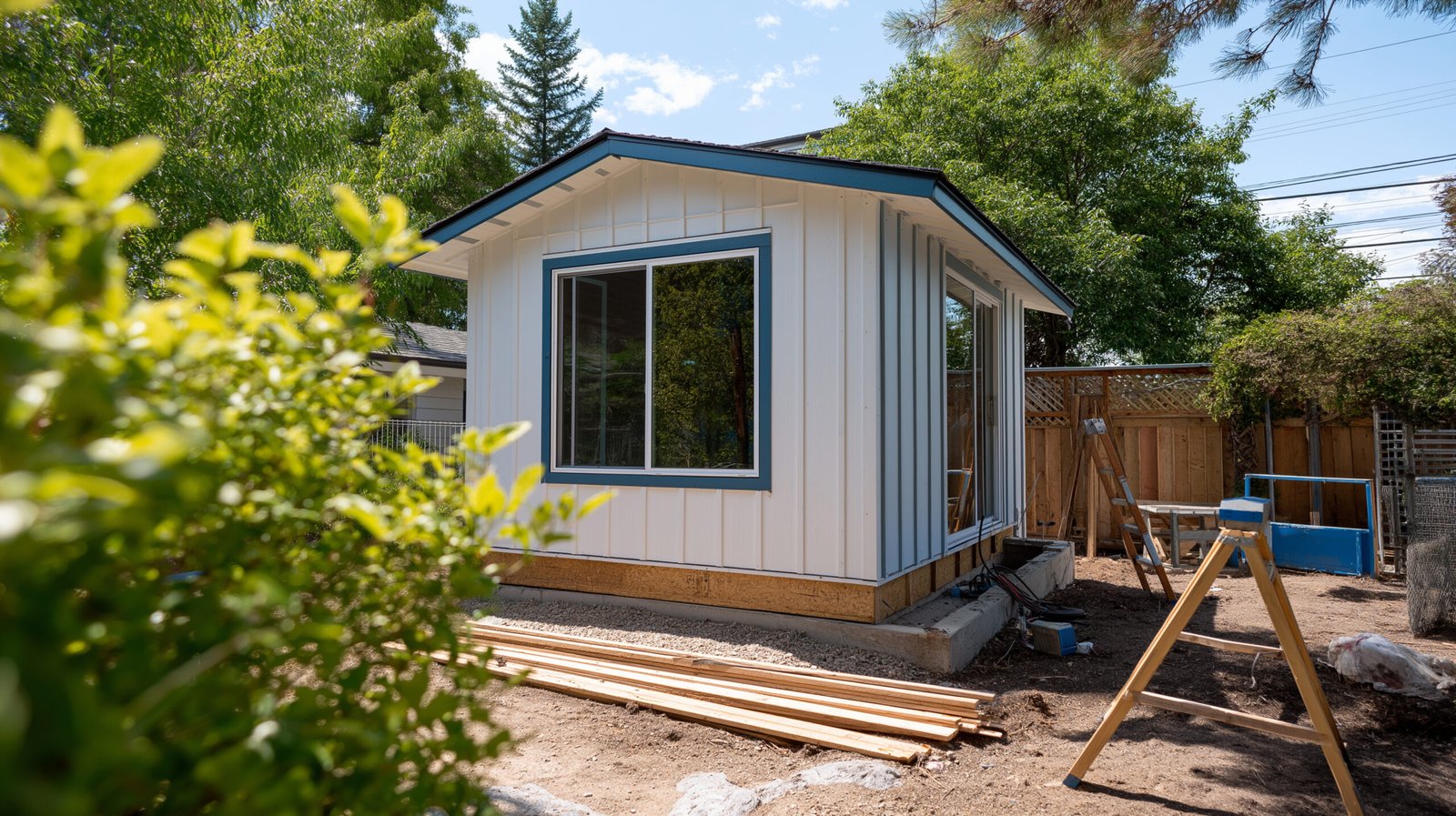
Why Homeowners in San Mateo County Build ADUs
ADU projects generally start from one of three motivations. Here is what we see most often across the Peninsula:
- Rental Income Potential: San Mateo County rental rates are among the highest in the state. A permitted ADU can generate $2,500–$3,500/month, and real estate appraisals often value the structure at roughly 100 times that monthly rent. For homeowners sitting on equity, the math here is genuinely different than any other renovation.
- Multigenerational Living: Whether for adult children squeezed out of the local rental market or aging parents who want to be nearby, a detached unit provides independence. You get the connection of living together without the loss of privacy that comes from sharing a kitchen or living room.
- Long-Term Flexibility: Build a dedicated home office or guest studio today that converts to a rental unit if circumstances change. A permitted ADU built to California’s full residential standard creates unmatched optionality—solving your current space needs while securing a future income stream.
How We Handle the ADU Permit Process
Most ADU projects stall because applications are incomplete, not because they are denied. We have navigated this specific bureaucracy across every city in San Mateo County. Here is exactly how we manage it:
- Property Eligibility Assessment: Before any design or fees, Brian personally visits your property to check zoning, lot coverage, setbacks, and utility connections. You get a direct answer on what is legally possible—not a sales pitch.
- Site Plan & Design Development: We develop architectural and structural plans that meet your city’s specific ADU standards (which often differ from generic state minimums). We coordinate all necessary engineering and design work upfront.
- Title 24 Energy Compliance: Every new dwelling unit in California requires Title 24 energy documentation. We prepare and include this in your standard permit package—it is never an unexpected add-on.
- Permit Submission & Strategy: We submit a complete application to trigger California’s 60-day review requirement. Because we design to objective development standards, your approval is “ministerial”—meaning the city must approve it without public hearings or neighbor disputes.
- Plan Check Response: Building departments almost always have comments. We handle the entire back-and-forth, preparing revisions and resubmitting untill your permit is issued.
- Construction Inspections: We schedule and attend every required city inspection (foundation, framing, plumbing, electrical, final). We build these hold points into the schedule so they never cause delays.
- Final Closeout: The project isn’t finished until we hand you the signed-off permit. This document legally establishes your ADU as a rental-ready, code-compliant unit—crucial for future refinancing or resale.
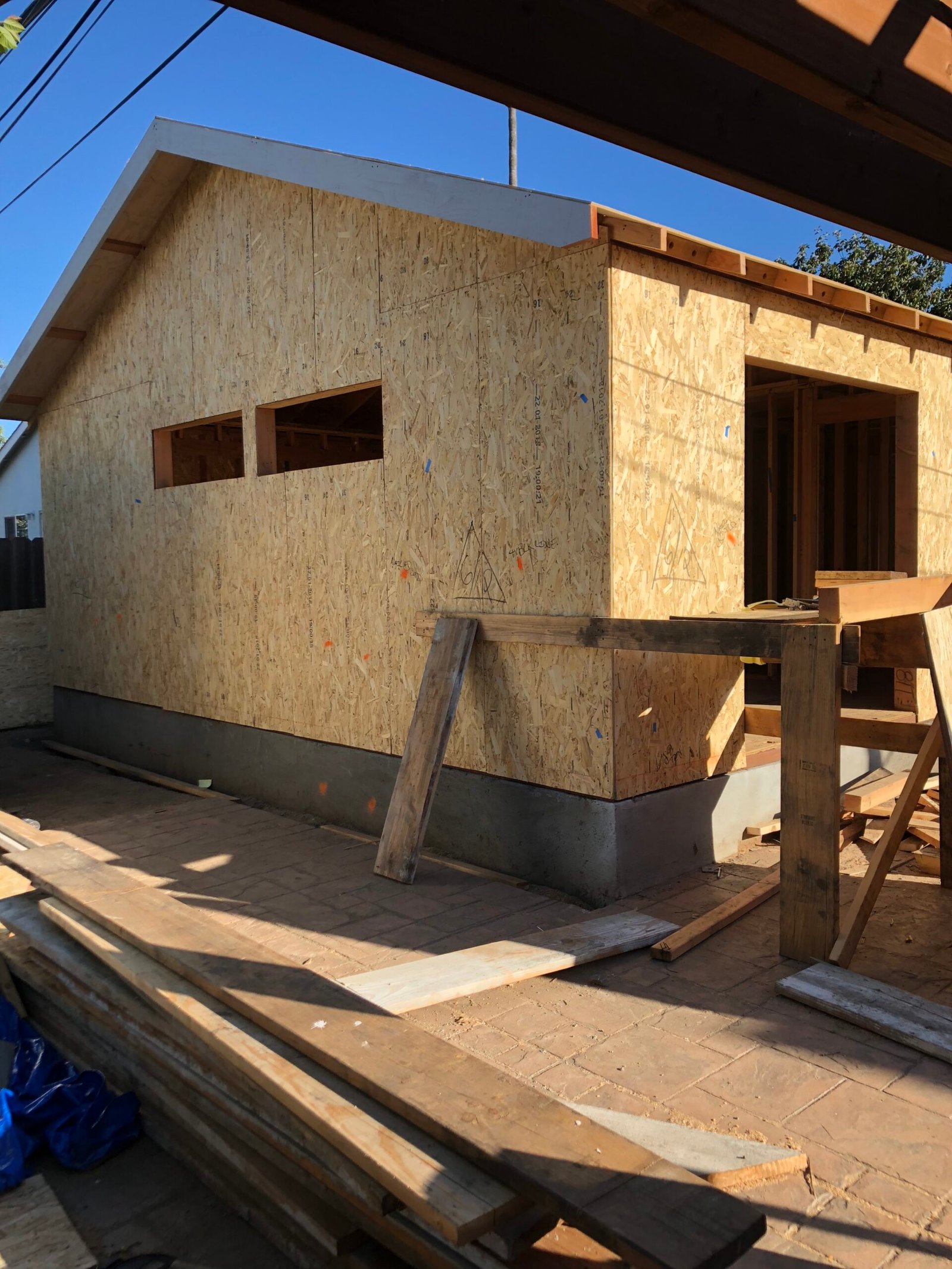
Types of ADU We Build
ADUs don't come in one shape. Here is what we build most often across San Mateo County—and what makes each project type distinct:
Detached ADU
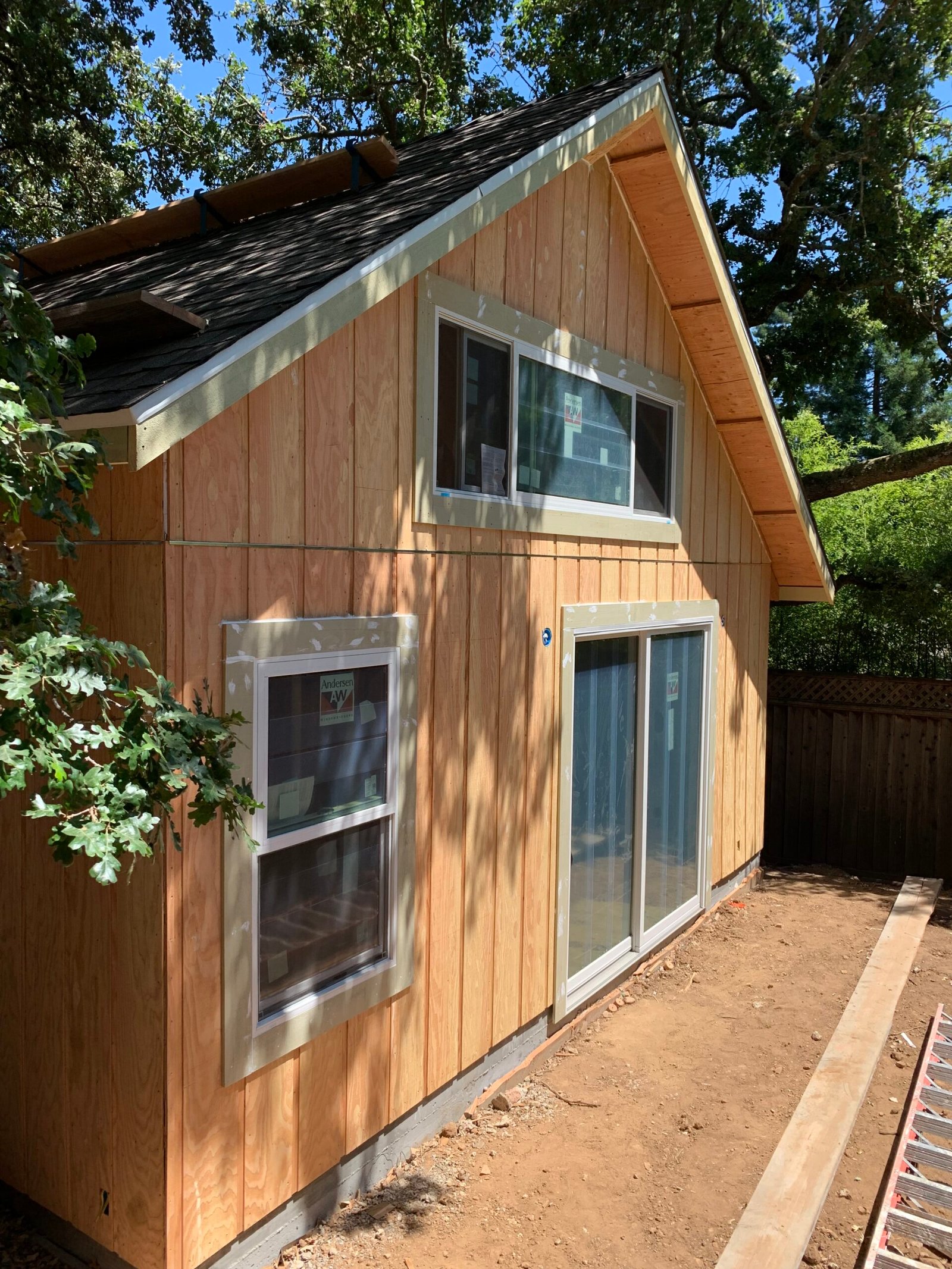
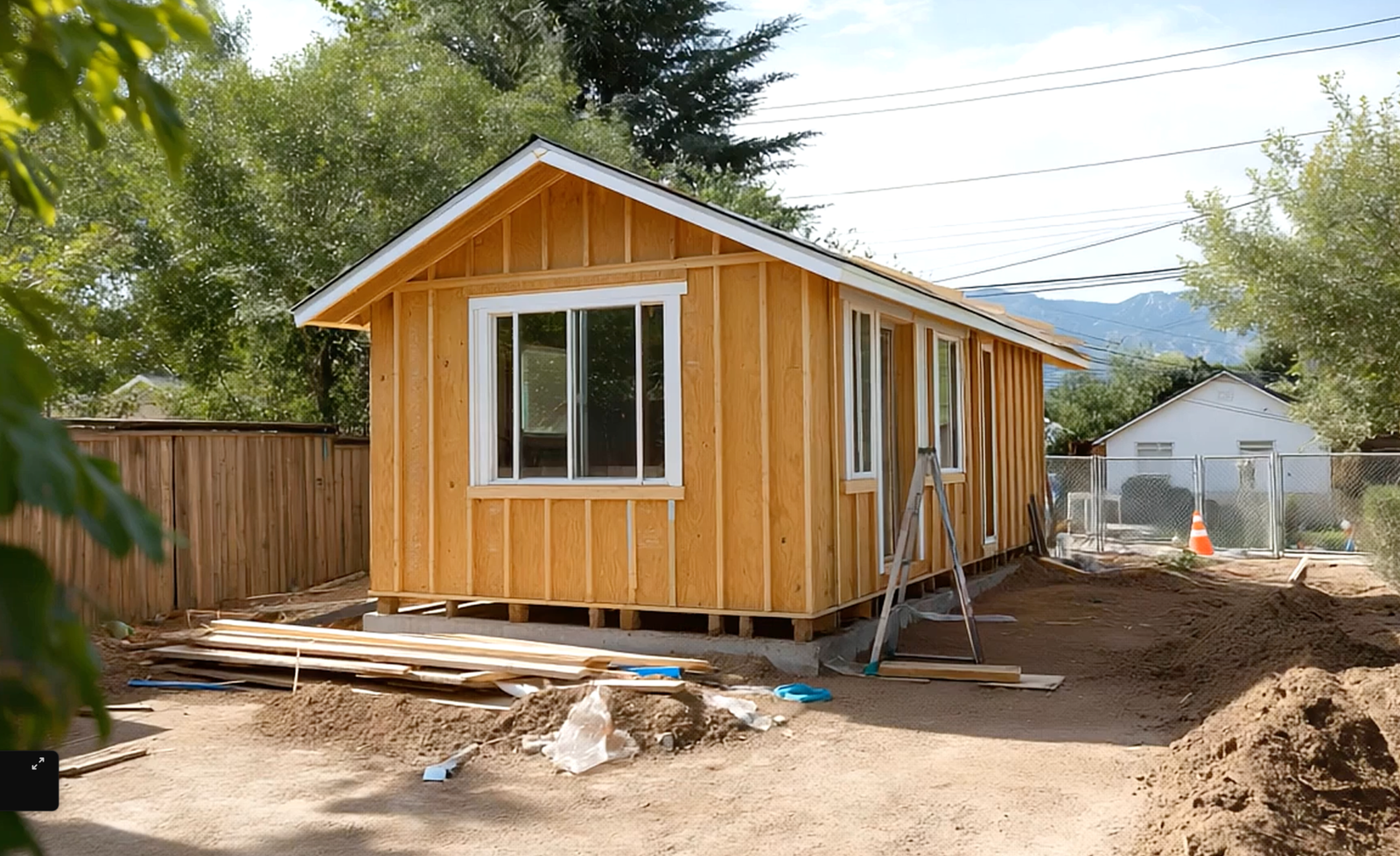
A freestanding structure built on your lot, typically in the backyard. This is our most common build, offering the cleanest separation with private entrances and no shared walls. State law allows up to 1,200 sq. ft. with just 4-foot rear and side setbacks.
Garage Conversion ADU
Converts an existing garage into a fully permitted dwelling unit. Since the foundation and roof exist, this is often the most cost-efficient path. We ensure the conversion meets all strict California residential standards for egress, ventilation, and ceiling height from day one.
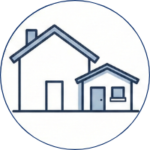
Attached ADU
A new unit connected to the primary residence, typically sharing one wall but operating independently with its own entrance, kitchen, and mechanical systems. These are ideal for lots that lack the backyard space for a separate detached structure.
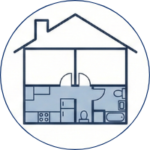
Junior ADU (JADU)
Converts existing space within your main home (like a bedroom suite or basement) into a self-contained unit up to 500 sq. ft. JADUs require only an efficiency kitchen and are the most compact, affordable entry point to legal ADU status.
Brian will give you a realistic feasibility and budget assessment during the free site visit—based on your specific lot setbacks, utility connections, and city zoning—before you commit to anything.
What Determines the Cost of an ADU in San Mateo County?
Bay Area ADU costs run meaningfully higher than national figures, and the range within the market is wide enough that general estimates aren't useful without understanding what drives the variation.
Here is exactly what determines where your project lands:
- ADU Type & Starting Point: This is the single biggest cost driver. A garage conversion starts with an existing structure (foundation, walls, roof), meaning you are paying primarily for insulation, systems, and finishes. A new detached ADU starts from raw dirt and requires a new concrete foundation and exterior shell. The cost difference between these starting points is substantial.
- Size: A 500-square-foot JADU and a 1,200-square-foot detached unit are entirely different construction projects. We help you determine what size genuinely makes sense for your goals—not just what the maximum allowable footprint is.
- Plumbing & Mechanical Scope: A full ADU requires a kitchen, full bathroom, and laundry. Running utility lines from the main house or street, installing a separate electrical panel, and adding HVAC all carry real cost in the Bay Area’s skilled-trade labor market.
- Finishes & Fixtures: This is the variable you control most. An ADU built for market-rate rental operates under different economics than one built for a family member. We’ll give you an honest read on where finish investment pays off based on your specific use case.
- Site Conditions: Utility connection distances, soil stability, slope, tree removal, and construction access vary lot by lot. These hidden costs only show up during a site visit, which is why we identify them at the initial assessment.
Brian will give you a realistic cost range for your specific ADU scope before you commit to any design fees or further planning.
How We Approach ADU Pricing
Every ADU quote is itemized, fixed, and provided in writing before work begins. No open allowances. No “we’ll figure out the utility connection when we open the wall.” You get a clear, defined scope so you know exactly what you are building.
Our ADU projects generally fall into three scopes:
- Compact Conversions: Garage-to-ADU conversions and JADUs. These leverage existing structures to minimize new construction costs. They are the most cost-efficient path to legal ADU status and typically carry the most predictable permit process since the structure is already defined.
- Standard ADUs: Detached or attached units in the 400–800 square foot range. These feature a full kitchen, bathroom, and laundry. This is our most common scope—designed to function as independent, long-term housing with zero compromise on livability or code compliance.
- Full-Featured ADUs: Large units (800–1,200 square feet) with premium finishes. These feature high-end kitchens and baths, dedicated outdoor space, and a finish level designed to command top-tier rental rates or perfectly match the primary residence.
ADU FAQs
Does my property qualify for an ADU in San Mateo County?
Most single-family residential properties in San Mateo County qualify for at least one ADU. California state law broadly permits ADU construction across residential zones, and most Peninsula cities follow or exceed state minimums in their allowances. The fastest way to know your specific situation is a site visit — Brian will assess your zoning, existing lot coverage, setbacks, and any city-specific requirements, and give you a direct answer before any fees are involved.
How long does the ADU permit process take?
California state law mandates that cities complete ADU permit reviews within 60 days of receiving a complete application. In practice, total permit timelines across San Mateo County range from 8 to 14 weeks when you account for the initial intake period, any plan check comments requiring a revised submittal, and administrative processing time. The most common cause of longer timelines is an incomplete first submission. We submit complete, well-prepared packages and respond promptly to plan check comments.
What is the maximum size for an ADU on my property?
California state law allows detached ADUs up to 1,200 square feet. Some cities within San Mateo County permit this full size; others apply local restrictions. Junior ADUs are capped at 500 square feet by state law. We’ll identify the specific size limits that apply to your property and city during the initial eligibility assessment.
Can I rent my ADU as soon as it's built?
Yes — that’s the core advantage of building a permitted ADU rather than an unpermitted structure. A properly permitted and inspected ADU has legal rental status from the date of final inspection. California state law has also removed owner-occupancy requirements for ADUs during a reform period, giving homeowners flexibility in how they use the unit. Regulations in this area have continued to evolve — we’ll confirm current requirements for your specific city at the time of project planning.
Will building an ADU increase my property taxes?
Yes, incrementally. California’s property tax system assesses improvements on the value they add — not a reassessment of the existing property value. If your ADU adds $200,000 in assessed value at San Mateo County’s approximate rate of 1.1%, the annual property tax increase would be roughly $2,200. California state law also limits or waives impact fees for ADUs under 750 square feet, which can reduce upfront project costs for compact units.
How long does ADU construction take once the permit is issued?
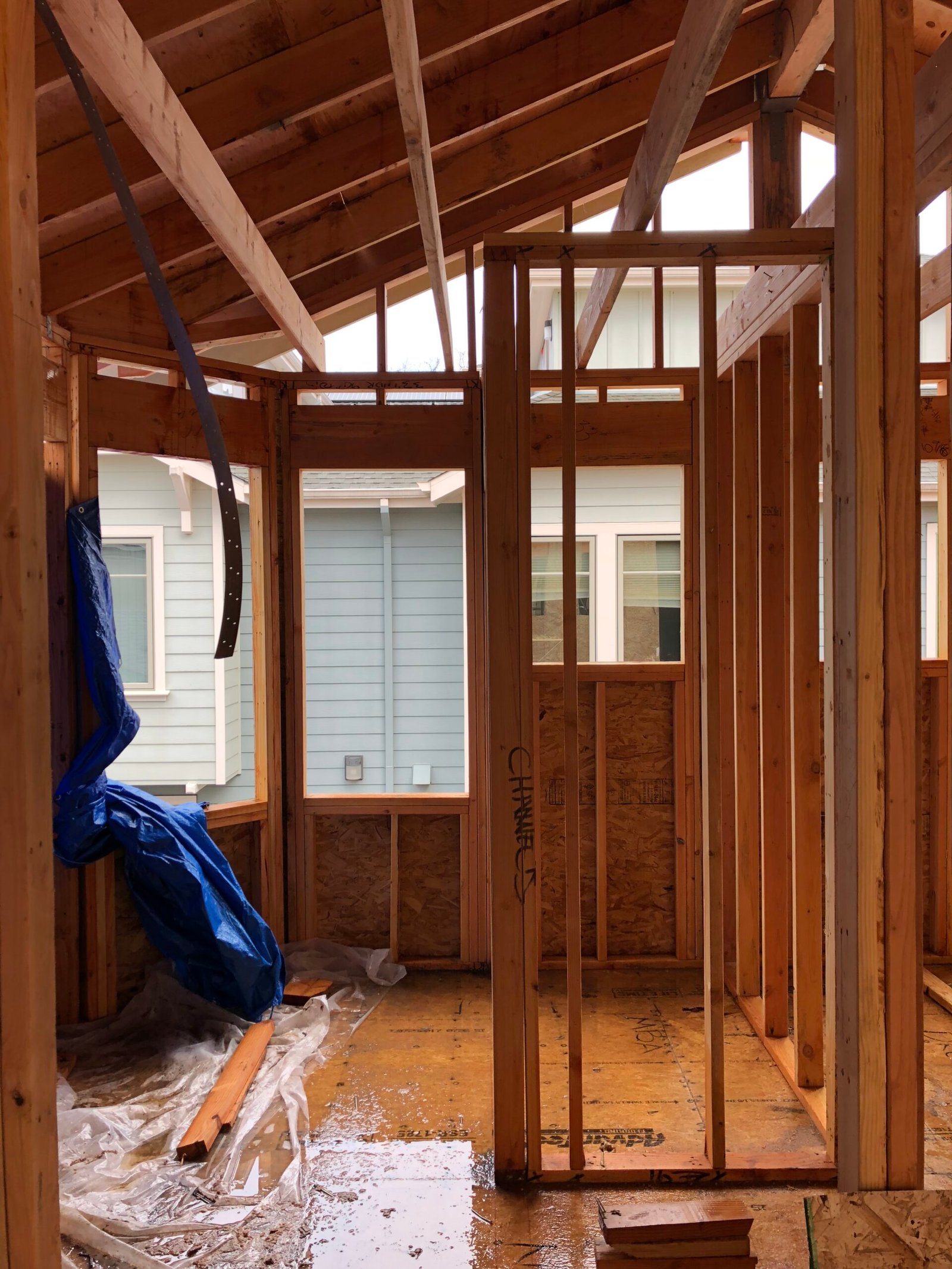
A garage conversion ADU typically runs 3–5 months from permit approval to final inspection. A new detached ADU in the 600–1,000 square foot range typically runs 5–8 months. These are construction timelines only — the permitting phase runs parallel and precedes construction. We build a complete project timeline, permit phase included, at the outset so you can plan accurately.
Detached ADU or garage conversion — which should I build?
It depends on your property, your budget, and what you need the unit to accomplish. Garage conversions are typically more cost-efficient because the structure already exists — but they eliminate garage parking, which matters for some households and some properties. A new detached ADU gives you a clean design slate without affecting existing structures, but requires a foundation and full exterior shell. We’ll walk through the specific tradeoffs for your lot and tell you which makes more sense before you’ve committed to a direction.
Can I finance an ADU build?
ADU-specific financing products have expanded significantly in California since 2020 — including home equity loans, construction loans, and programs that factor projected rental income into qualification. This is a conversation best had with a lender or mortgage broker familiar with the Bay Area ADU market. We can point you in the right direction; they’ll give you the financing picture alongside the construction cost picture we provide.
What Bay Area Homeowners Say
If you are looking for a family owned company that really cares and goes the extra mile for you. Then Genuine Custom Homes is the team you want to hire.
Brian and Dianna along with their team have been fabulous. Always on time and communication is key when you are remodeling your home.
Brian worked with me to stay on budget which is almost impossible, but he did it. We absolutely love our kitchen.
Thank you Brian, Dianna and team. Useful Funny Cool
M. M. - San Carlos, CA
Brian and Dianna are a wonderful, responsive and helpful team. We’ve been talking about remodeling our two bathrooms for nearly eight years, and every time we started the process we would get completely overwhelmed.
Brian met with me promptly after receiving my quote request. He provided ideas, assured me that it was not going to be as difficult as I feared and coached me through the whole structural engineer, city permit and product purchase process. Six months from when we signed our contract our two bathrooms are complete and we couldn’t be happier with the outcome.
Our home was built in the 1930s so many hiccups came up throughout the remodel process, but Brian and Dianna were always calm and matter a fact, assuring us that it would all work out.
We definitely recommend Genuine Kitchen and Bath for your kitchen and bathroom remodel needs!
Jenny F., San Carlos, CA
Ready to Build Your San Mateo County ADU?
Let’s start with your property. Brian will come out, walk the site, check what your lot and your city’s zoning will support, and give you a straight answer on what your ADU will take and what it will cost — before you commit to anything.
Call Brian at 650-966-4190 or request a free in-home consultation online.
Serving San Carlos, Redwood City, Burlingame, Belmont, Foster City, Millbrae, San Mateo, and all of San Mateo County.